

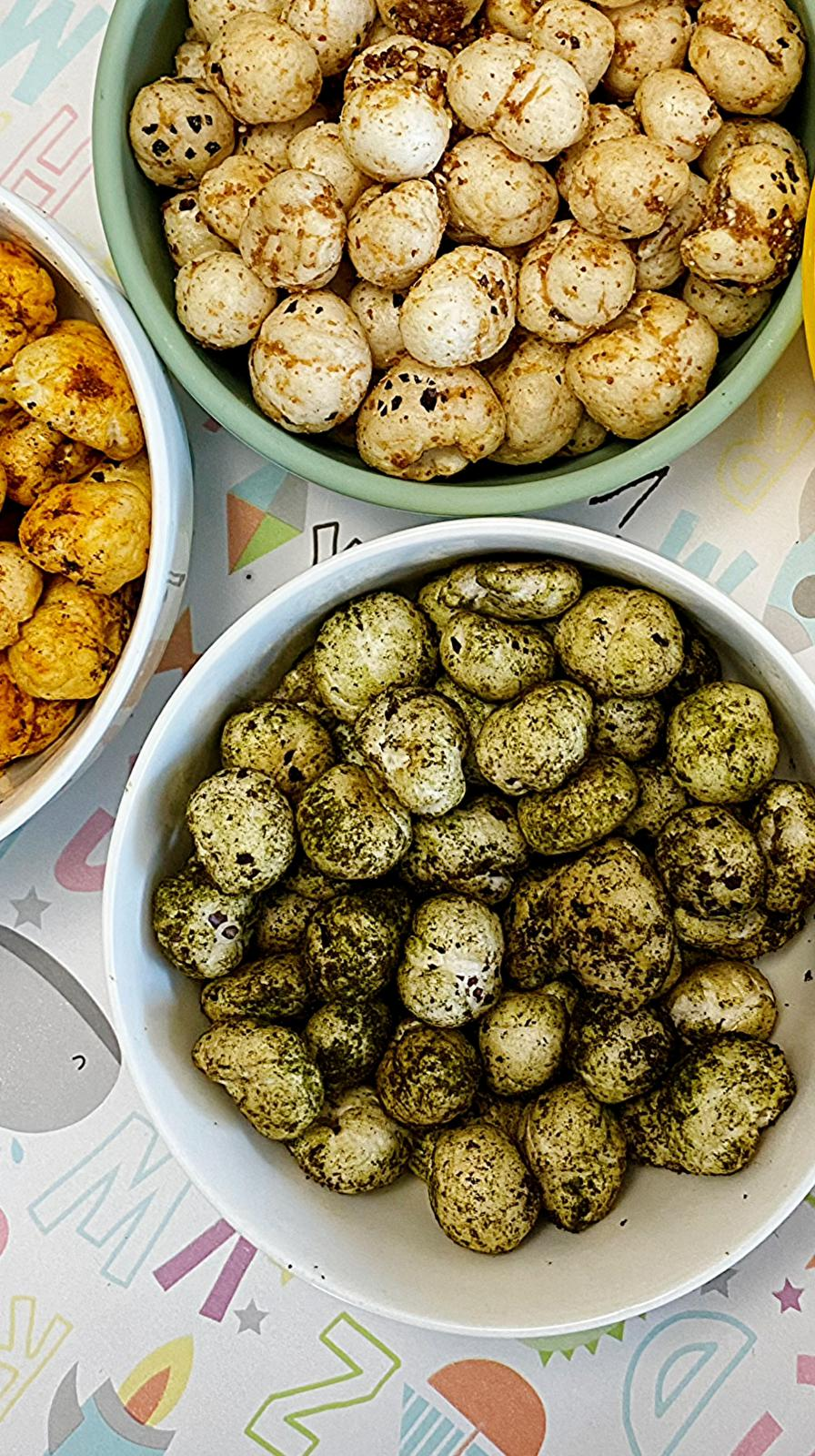
Moringa Garlic Makhana is a light, savory snack prepared by roasting makhana, ghee, and moringa powder with mild garlic seasoning. This superfood version gives an additional nutrition boost without making the snack particularly complicated or time-consuming to make.
When roasted correctly, makhana becomes crisp and airy, thus making it an easily accessible homemade substitute for processed snacks. My toddler goes absolutely crazy for these! They're the perfect alternative to packaged snacks and I love that I know exactly what's going into them.
Moringa powder is known for its nutrient density, and garlic powder provides a mild flavor. When used in small amounts, this snack is good for toddlers. It can be served as an evening snack, lunchbox addition, or light-in-between-meals snack. This recipe is suitable for toddlers 1 year+ and older kids. For younger toddlers, crush slightly before serving.
Yes, when prepared mildly.
For 6+ Months:
Skip the whole makhana at this stage, as it can be a choking hazard. Instead, dry roast the makhana without ghee or seasoning and grind it into a fine powder. Stir the powder into warm porridge, oatmeal, baby cereal, or smooth vegetable purees. It blends in easily while adding nutrients without creating a texture risk.
For 8+ Months:
Whole makhana can still pose a choking hazard for younger babies. Dry roast the makhana with a small amount of ghee, then crush or break it into small, age-appropriate pieces before serving. If using moringa powder and garlic powder, start with the lower end of the recommended amount so your baby can gradually get used to the flavors.
For Toddlers:
Toddlers can usually enjoy whole roasted makhana as a crunchy snack. At this stage, you can prepare the full recipe as written. The crispy texture is often a favorite, and the mild garlic flavor is generally well accepted by little ones. Avoid excess salt and always keep a watch while eating.
For younger toddlers, you might have to crush the makhana up a bit before serving - to protect against choking.
Allergy Information:
This recipe does not contain any of the major common food allergens, making it a great fuss-free snack option. However, as with any new food, introduce it during the day and monitor your child for any signs of an allergic reaction or intolerance.

This snack is focused on simple nutrition and clean ingredients.
There's barely any prep here. One pan, a handful of ingredients, and around fifteen minutes is all it takes.
Moringa powder is one of those ingredients that earns its place. It's rich in iron, calcium, and antioxidants, and when you add it off the heat like this, those nutrients stay intact. Your little one gets the benefit without you doing any extra work.
Lotus seeds are light and easy to digest. They're a good source of protein and magnesium, which supports healthy development, and they don't tend to cause any digestive fuss the way some heavier snacks can.
That small amount of ghee isn't just for flavor. Healthy fats help the body absorb fat-soluble nutrients, so coating the makhana in ghee before adding the moringa means more of the good stuff actually gets used.
It is filling without being heavy, and it is a great snack option for health.
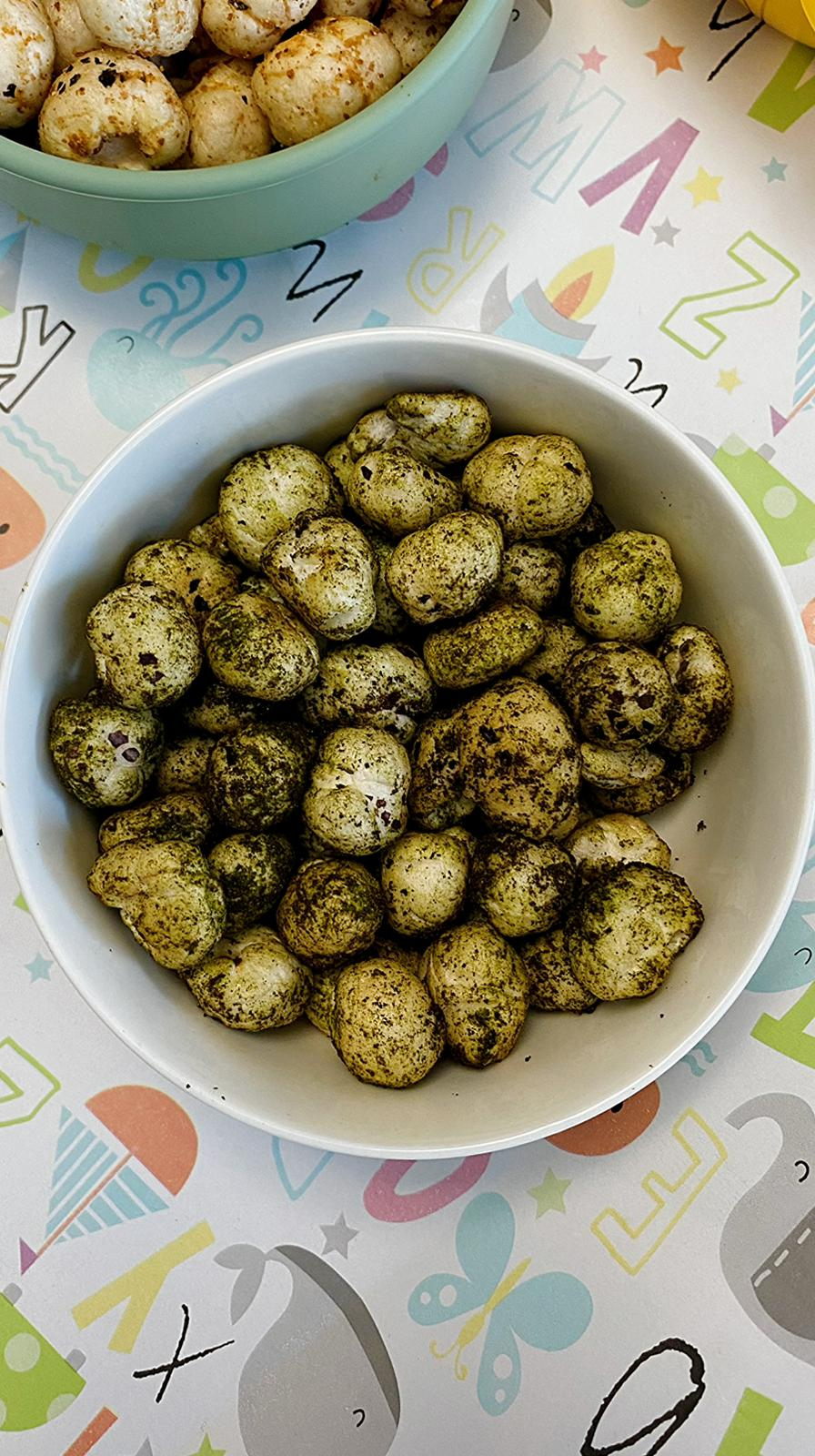
Note: Do not overheat moringa powder after adding, as too much heat may reduce the nutritional value of moringa powder.
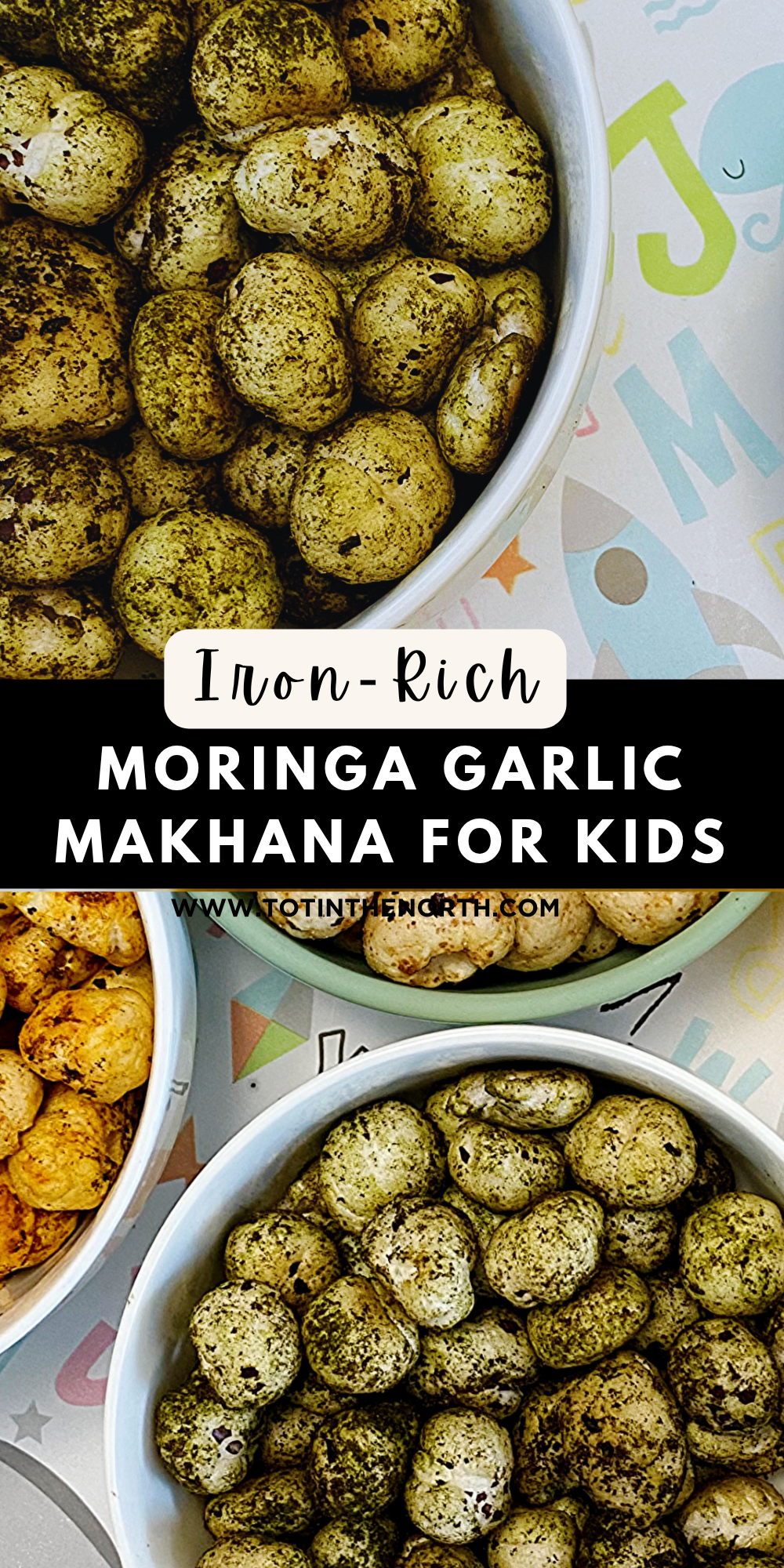
If your little one took to these moringa garlic makhana, you might enjoy exploring a few more simple snack recipes from the blog. Baby-friendly snacks are one of my favorite things to share here because they fill those hungry gaps between meals without a lot of fuss, and they're usually things the whole family ends up snacking on too.
Here are a few more reader favorites:

If you try it, please rate it below to let me know how you liked it! I hope your little one enjoy this one as much as mine does. :)
This moringa garlic makhana recipe is one of the easiest nourishing snacks you can make for babies and toddlers. Roasted lotus seeds are coated in ghee and seasoned with moringa powder and garlic for a light, crispy bite. It suits little ones from 8 months onwards with simple adjustments for different stages.