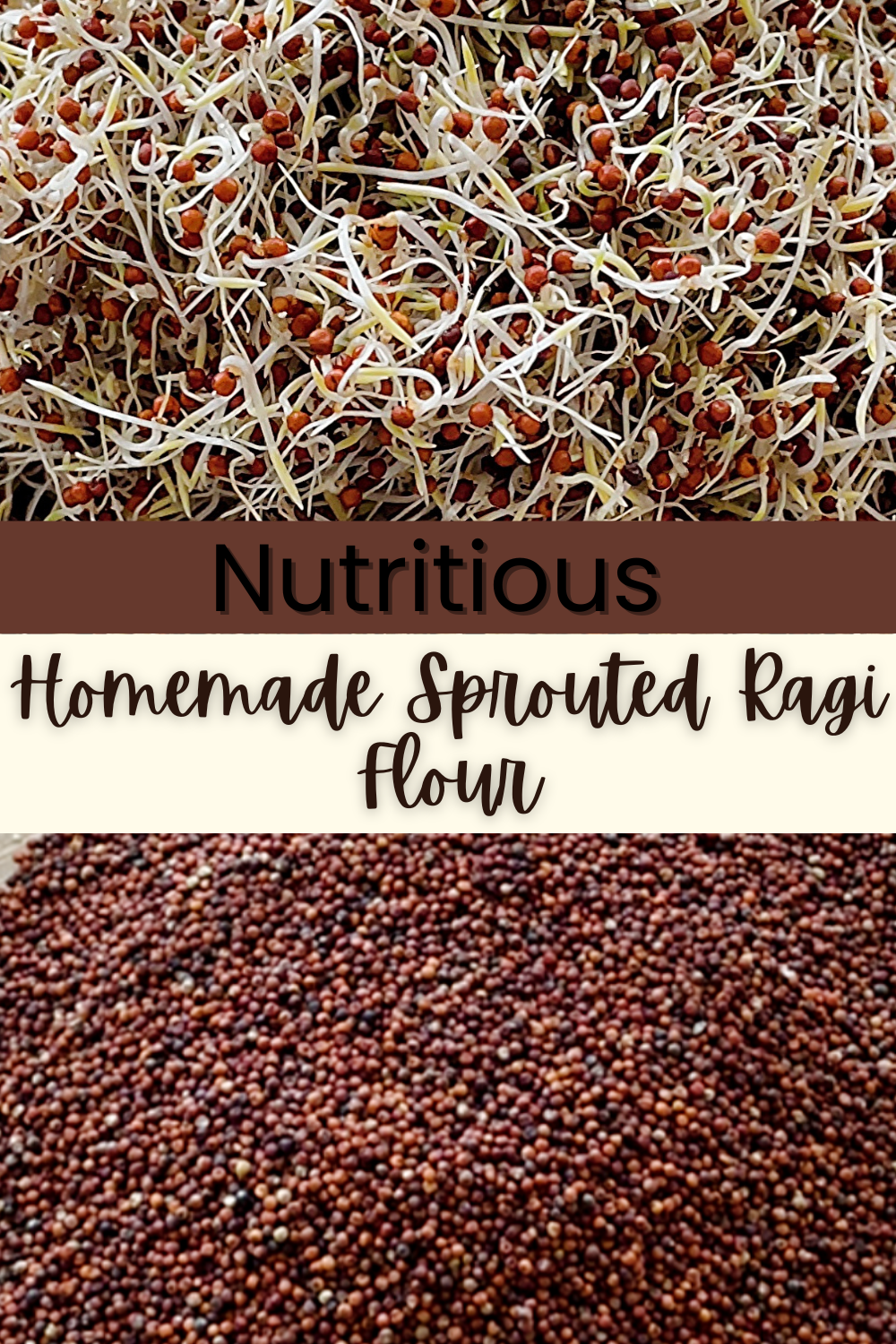
When it was time to start my baby on solids, I honestly had no idea where to begin. I would rely completely on my mom for guidance. She knew exactly what to feed and how to make it. Back then, she used to courier me sprouted ragi flour all the way here to Canada, and it quickly became a staple in our little one’s meals.
Over time, I learned how to make sprouted ragi myself, and now that I understand just how nourishing it is, I make it very often. Sprouted ragi isn’t just any cereal, it’s packed with nutrients, supports healthy growth, keeps tiny tummies satisfied, and the best part is, it’s completely natural and preservative-free. Every spoonful feels like giving my baby the purest start possible.
Why This Recipe Works for Babies and Toddlers
High in Calcium and Iron: Sprouted ragi is packed with calcium, which supports strong bones, and iron, which is essential for healthy blood and keeps your baby active and energetic.
Easy to Digest: Sprouting naturally softens ragi, breaking down the starches, making it gentle on little tummies and easy to digest.
Protein-Filled Fuel: Sprouting also boosts the protein and vitamin B content, giving your child the energy they need to play, learn, and grow.
Additive-Free: Unlike store-bought cereals, homemade sprouted ragi is completely natural—free from preservatives, sugar, or artificial flavors.
Versatile and Easy to Dilute: You can mix it with water, milk, or fruit purees to create different flavors, making mealtime exciting for your little one.

Ingredients You’ll Need To Make Sprouted Ragi Flour
1 cup whole ragi (finger millet):
Ragi is rich in calcium, iron, and amino acids that promote bone health, immunity, and muscle development. Sprouting it increases nutrient absorption and makes it easier for babies to digest.
That’s it! One simple ingredient becomes a powerhouse baby food with incredible benefits.

How to Make Sprouted Ragi Flour
Step 1: Wash & Soak
Rinse the ragi thoroughly 2–3 times to remove any dust or dirt. Soak it in plenty of water for 8–10 hours or overnight.

Step 2: Drain & Sprout
Drain the water and place the ragi in a clean muslin cloth or strainer. Keep it in a warm place for 12–24 hours, allowing tiny sprouts to appear. Sprouting enhances nutrient content and makes ragi easier to digest.

Step 3: Dry
Spread the sprouted ragi on a clean tray or cloth and let it dry in the sun or air-dry completely, which may take 1–2 days depending on moisture.

Step 4: Roast
Dry roast the completely dried sprouts on a low flame until they become crispy. Roasting removes any raw odor, improves flavor, and extends shelf life.
Step 5: Grind
Once cooled, grind the roasted ragi into a fine powder using a mixer or flour mill.

Step 6: Sieve & Store
Sieve the powder to remove any coarse particles and store it in an airtight container. Properly stored, it lasts up to 3 months in a cool, dry place.

Tips, Variations & Substitutes
Instant Mix Option: Mix dry-roasted jaggery or date powder with ragi to create a sweet instant powder.
Add Flavors: Enhance nutrition and taste by adding a pinch of dry fruit powder or dates powder.
Consistency: For infants under 8 months, make the porridge thin; for older toddlers, it can be slightly thicker.
Storage Tip: Always use a dry spoon to scoop the powder. Store in the refrigerator if you live in a humid area.

Equipment You’ll Need
- Mixing bowl
- Strainer or muslin cloth
- Drying tray or clean plate
- Heavy-bottom roasting pan or skillet
- Mixer grinder or flour mill
- Airtight storage jar
Reading this from India? I’ve put together a curated list of kitchen essentials on my Amazon Storefront India—check it out here.


Sprouted Ragi Flour – A Super Nutritious Homemade Baby Food
Description
Sprouted Ragi Flour/ Cerelac is a calcium-enriched, homemade baby cereal made from sprouted and roasted finger millet. It’s easy to digest, naturally sweet, and full of essential nutrients that support healthy growth. This simple, homemade recipe is a perfect alternative to store-bought baby foods, with no preservatives or additives, keeping your little one’s tummies full and happy.
Ingredients
Instructions
Step 1: Wash & Soak
-
Step 1: Wash & Soak
Rinse the ragi thoroughly 2–3 times to remove any dust or dirt. Soak it in plenty of water for 8–10 hours or overnight.
Step 2: Drain & Sprout
-
Step 2: Drain & Sprout
Drain the water and place the ragi in a clean muslin cloth or strainer. Keep it in a warm place for 12–24 hours, allowing tiny sprouts to appear. Sprouting enhances nutrient content and makes ragi easier to digest.
Step 3: Dry
-
Step 3: Dry
Spread the sprouted ragi on a clean tray or cloth and let it dry in the sun or air-dry completely, which may take 1–2 days depending on moisture.
Step 4: Roast
-
Step 4: Roast
Dry roast the completely dried sprouts on a low flame until they become crispy. Roasting removes any raw odor, improves flavor, and extends shelf life.
Step 5: Grind
-
Step 5: Grind
Once cooled, grind the roasted ragi into a fine powder using a mixer or flour mill.
Step 6: Sieve & Store
-
Step 6: Sieve & Store
Sieve the powder to remove any coarse particles and store it in an airtight container. Properly stored, it lasts up to 3 months in a cool, dry place.
-
“If you try this recipe and have a moment, I’d really appreciate it if you could scroll to the bottom of the page and click the stars to rate it! Your support means a lot and really helps my little website. Thank you so much! :)